
Bulky Calves & Calf Tension
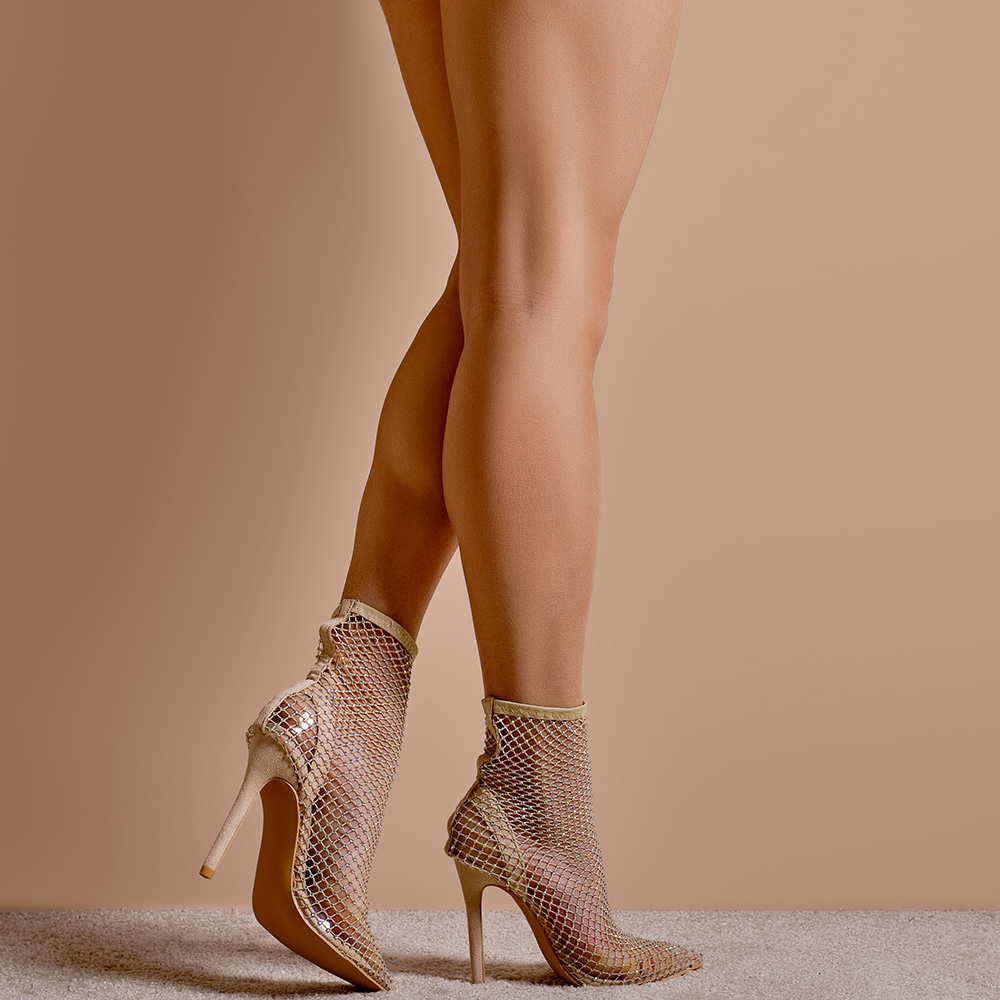
Calf Shape & Calf Slimming Concerns in Auckland

The shape of your calves comes from a mix of muscle, fat and fluid, along with your natural build. The main calf muscles, the gastrocnemius and soleus, can become larger and tighter with walking, running and sport, and some people simply have naturally muscular calves. Many people who search for calf slimming want to understand why their calves look bulky.
What makes calves look bulky?
There is often more than one cause. Well-developed calf muscles, fat stored in the lower legs, and fluid that collects after long periods of standing or sitting can all affect how your calves look. Some medical conditions, such as lipoedema, can also cause fullness in the legs.
Talk to us
If you are concerned about calf tension or the shape of your calves, send us an enquiry using the form on this page. We can talk through your concerns and, where appropriate, suggest seeing your GP or a physiotherapist.
Common Signs of Bulky Calves and Calf Tension
Muscular-looking calves:
Firm, well-defined calves that look larger than you would like, even when you are a healthy weight.
Tightness and cramps:
Calves that feel tight or tired after walking, standing or exercise, or that cramp at night.
Uneven calves:
It is common for one calf to be slightly larger than the other. If one leg suddenly becomes swollen, painful, red or warm, see a doctor urgently.
Puffiness and swelling:
Fluid can collect in the lower legs after long periods of standing, sitting or in hot weather. See your GP if swelling does not settle.
Fullness that does not change with weight loss:
Fat in the lower legs that does not respond to diet or exercise, especially if the legs feel heavy, tender or bruise easily, can be a sign of lipoedema.
How Calf Concerns Are Commonly Managed
Find the Cause
Muscle, fat and fluid each affect calf shape differently, so it helps to understand which one is behind your concern.
Stretch and Recover
Regular calf stretches, good footwear and rest after exercise may ease tightness. A physiotherapist can advise on training.
Check Swelling With Your GP
Ongoing swelling, heavy or painful legs, or swelling in one leg should be checked by your GP.
Bulky Calves & Calf Tension FAQs
Calf size is strongly influenced by genetics and natural build. Walking, running, hiking and sports that involve jumping or pushing off from the toes can also build the calf muscles.
Yes. Fat stored in the lower legs and fluid that collects after long periods of standing or sitting can both make calves look fuller.
Lipoedema is a long-term condition, mostly affecting women, where fat builds up evenly in both legs and sometimes the arms. The legs may feel heavy or tender and bruise easily. If you think you may have lipoedema, talk to your GP.
See a doctor urgently if one leg suddenly becomes swollen, painful, red or warm. Call 111 if this comes with chest pain or shortness of breath. See your GP about swelling that does not settle, or legs that are often heavy or painful.
Yes. Send us an enquiry using the form on this page or contact the clinic. We can talk through your concerns and, where appropriate, suggest seeing your GP or a physiotherapist.